


Asphalt Driveways

Long Lasting Asphalt Driveways
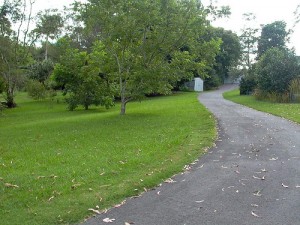 Here in the northeast asphalt driveways are the standard without exception. Asphalt driveways can provide a long term, reliable driving / parking surface and increase your homes value. However, not all driveways are created equal so this article will point out what you need to be aware of in order to get a long lasting asphalt driveway.
It’s All About The Base
Asphalt pavement is actually a very flexible surface that’s designed to resist small movements due to temperature and loading. The key to a long lasting driveway is actually found under the asphalt pavement where the gravel sub-base is located. While the pavement may only be 3 inches thick the sub-base can range from 8 to 24 inches in depth.
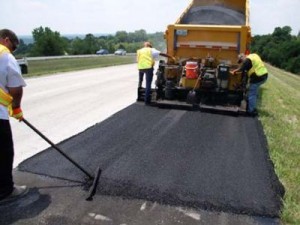 The strength and performance of the sub-base comes from three main components; quality gravel, drainage and compaction. Good quality gravel is the first step in building a long lasting driveway. The gravel needs to be well graded and clean of fines. The sub-base must have adequate drainage in order to keep it free of a fully saturated state. Lastly, the gravels must be properly compacted, typically to a level of 95% modified proctor.
Hot Mix Asphalt Pavement
Hot mix asphalt concrete (pavement) is commonly referred to as HMAC or HMA and it’s created by mixing aggregate (fine and course) and liquid asphalt. The HMA is then spread out onto the sub-base while it’s still hot and then compacted in place. Today HMA is one of the most popular road and driveway materials because it’s typically cheaper to install than concrete pavements and it can be used much sooner. The cost of asphalt driveways is typically calculated by the ton which is a reflection of the surface area and pavement thickness.
Sealing Asphalt Driveways
Another important step in ensuring a long lasting driveway is sealing. Sealing asphalt driveways is rather inexpensive and a typical DIY project for many homeowners. New driveways should not be sealed until the oils have been released from the surface and curing has occurred. Industry experts recommend waiting 90 days to 6 months after a new driveway installed before sealing it. Be sure to use a good quality coal-tar based sealer and follow the manufactures directions.
Cost Of Asphalt Driveways
If you’re interested in comparing asphalt driveway cost to the cost of concrete or gravel then it really depends on where you live. In areas where asphalt pavement is prevalent you’ll find gravel drives to be cheapest, followed by asphalt drive and lastly concrete driveways.
Photo Credit: Serendigity








It’s also a good idea to fill in any large cracks between sealings. I try to do this every fall before it gets very cold.
That will keep out the moisture and help minimize, if not stop, the damage, especially in colder climates where water can get in there and freeze.
@ Nicole – Great advice!!
I’m surprised asphalt is the norm by far. Concrete is the preferred driveway here but if you’re driveway is long asphalt is used since it cost so much less. I looked at your exterior post pictures and noticed your asphalt goes right up to your garage slab. Is that also normal for your area? A concrete slab in front of the garage is a must (to protect the integrity of the garage floor) here so I’m surprised that your area would be so much different. I guess Wisconsin just has that much more extreme weather.
@ Robin – It is the norm here….we have 4′ deep frost walls on our garage foundations that protect against the frost.
Hi,
We just purchased a home that is 6 years old and has a (roughly) 25′ x 15′ driveway that I assume was put in 6 years ago. The base seems to be done very well, it’s flat however the rain tapers to one side (I’m assuming this is normal). There’s one small crack due to someone’s plow banging it up on the edge.
I live in central Maine and read your article stating it’s a good idea to seal the driveway but have been told by my father-in-law that his driveway and a friends were sealed at the same time and that there’s both have many cracks now. He says sealing is a bad idea as the driveway can’t breath. Do you know if this is a case of bad sealant product, or base or what? I was thinking about purchasing the BLACK JACK 4.75 Gallon Ultra-Maxx 1000 Fast-Dry Blacktop Driveway Filler & Sealer – 10 Year sealant- it’s not coal-tar however they state it’s better.
Thanks in advance!
James – First off thanks for visiting the site. Sorry to rain on their party but asphalt driveways will not crack from sealer. Driveways do not need to “breath”. In fact, sealer is good because it seals out water from penetrating the surface leading to sub-base failure and freeze thaw damage.
Most likely they had a bad sub-base that’s suffering from heaving problems. Here in New England it’s very difficult to create a cost effective sub-base for a driveway. You need 2 to 3 feet of really good compacted gravel to eliminate frost heave problems.
Most sealers work very well.
I agree with everything but the sealer part. A lot of times sealer tends to do more “damage” than harm. Sure it looks great in the short-run, as it makes the drive way look brand new. However, it will always crack in the future as it starves the bottom layers. In the end, you’re basically paying for a newer blackish driveway while running the risks of getting sealer on blocks or even the house.
Hi Todd,
Our drive way is paved and there’s about 1/4 inch or less of spacing inbetween the pavement and the cement where the garage floor starts. Should this be filled in with the driveway sealer (the stuff in the caulking tube)? Or should I leave it the way it is? Thanks,
I would seal it with asphalt crack sealer. This will help keep water out and lesson the chance of ice if you live in a cold environment.
Hi Todd,
I have an asphalt driveway that is 21 years old and has some major cracks as well as a couple of not so attractive patches. I would like to replace it and recently read about stamped asphalt. If I want to have a stamped asphalt driveway, would I have to remove the original driveway or can it be done on top of the original? Thanks for your advice.
Jeremy – I don’t have experience with stamped asphalt so it’s hard to say. I would say this, with major cracking the new surface will likely get reflective cracking pretty soon after so i’d be cautious spending the money to stamp it as it will likely crack in the same spots very soon. Best to remove it and start over. Good luck.
Todd,
I came across your site by accident, and is very informative, Thanks! I was trying to find out an average cost for doing my driveway with asphalt vs. concrete.
Unfortunately my drive will be just gravel as it’s 12′ x 400′. I had big hopes not big money’s. I may opt for the bigger concrete apron. Thanks Again John