


Construction Loans

How Construction Loans Work
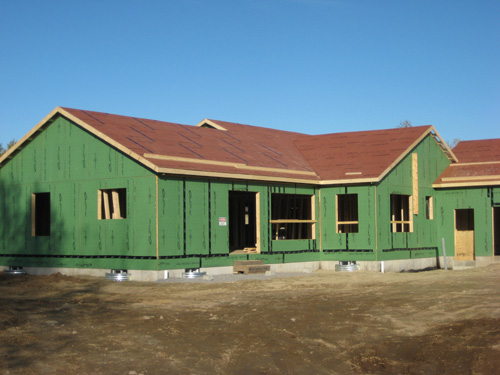 If you’re planning on building a new home then chances are you’ll need a construction loan. Understanding how construction loans work is one of the first steps in building your new home. Without the financing you’ll be stuck in limbo waiting for that new dream home!
Construction Loans
Construction loans are typically short term loans with interest only payments during construction which convert to traditional mortgages after construction is complete. Banks will typically evaluate and appraise the proposed construction project based on the construction plans. Most construction loans are offered up to about a maximum of 85% of the total cost of construction. This is pretty standard and forces the owner to have a significant stake or “skin” in the game compared to some of the higher loan to value ratios that are seen with traditional mortgages.
After a construction loan is closed on the money sits in escrow with the bank awaiting “draws”. Draws are progress payments to the contractor during construction. At certain milestones (or dates) throughout construction, the contractor will request payment for work completed to day. The bank will then send an inspector to the site to verify that the payment being applied accurately reflects the level of completion in the project. Once a draw is paid the mortgagee is required to start paying interest payments on the amount that’s been drawn. The draws continue until the project is complete and the final contractor payments are made.
Typically the bank or lending institute will require that each contractor or sub-contractor being paid sign a lien waiver after each payment. This ensures that the property cannot have a lien placed on it by un-paid contractors at the completion of the job. Most draws are also administered with two party checks, which require both the home owner and the contractor to sign. This provides one more level of protection for the bank and home owner.
After Construction Is Complete
Almost all construction loans automatically convert to some type of traditional mortgage at the completion of construction. In fact, most convert with no closing costs (the original closing costs cover both loans) to a fixed or variable rate loan. It’s important to fully understand the rates that are applicable to both portions of the loan as most start with a higher rate during construction and a more favorable rate after construction.









Oh, just the words “construction loan” are enough to give me a coronary.
This is our second completely custom build (the first was in 2002-2003). If you haven’t gotten a loan like this recently, you won’t recognize the situation. The lending climate is awful. It’s like night and day.
We ran into serious construction loan landmines in the process. The banks took a couple of inches of skin along with it.
@ Alison – The banking industry is a nightmare right now. Construction loans are very difficult to secure due to all the foreclosed inventory banks have from bad development deals.
Tough to come by these days. Seems banks are more and more reluctant to give them out.
No kidding. All the comps in our area since last April were SHORT SALES. Nightmare.
If your interested in a Steel Buildings loan MBMI can help.