


Is Radiant Heat More Efficient?

Radiant Floor Heat
 Radiant Heat is very popular today especially with new home construction. I’m often asked “Is Radiant Heat More Efficient” compared to forced hot air systems or baseboard hot water systems. The answer might surprise you.
First let me qualify my answers and say that this is solely my opinion based on my experiences with radiant heat. There’s no doubt in my mind that radiant heat is more efficient compared to forced hot air systems. This is widely accepted by most folks in the building trade and it makes sense when you think about how these systems work.
The real question is whether or not radiant heat is more efficient than traditional hot water baseboard systems. This question is a bit harder to answer and I think you’ll find varying opinions on this question among tradesmen. My answer is it depends. It depends on a bunch of factors that I’ll try to discuss here.
Radiant Heat In Our Home
I installed radiant heat in our new home in several locations; basement slab, entire first floor (under wood and tile), and under the tile in the bathrooms on the second floor. We installed hot water baseboard in the bedrooms on the second floor. So I guess we have what you might consider a hybrid system with a combination of radiant and baseboard heat.
My answer of it depends really comes down to lifestyle and how often you’re at home. If you’re home most of the day then I say radiant heat will end up being more efficient than baseboard. However, if you’re not around much during the day then I argue that baseboard heat is more efficient. The reason is fairly simple. Radiant heat works best when you bring it up to temperature and then leave it alone. Whereas baseboard heat works very well by using a setback thermostat to turn the heat down when you’re asleep or away.
In our house we are all gone from 7 am to 5 pm Monday through Friday. And we’re asleep typically from 10 pm to 5 am each day of the week. So that means we’re either away or asleep for 100 hours out of a possible 168 hours each week. So for us it doesn’t make much sense to have radiant heat running when we’re not home or asleep.
Using Programmable Thermostats with Radiant Heat
Last winter I did experiment quite a bit with our radiant heat and found that I could save some money by turning back the radiant heat during times when we are not home and asleep. However the length of time that we set back the temperature isn’t quite as long as we do with the baseboard system.
Having said all of this I still think radiant heat is an amazing system and a luxury quite frankly. Radiant heat is so comfortable and we don’t really appreciate until we visit a friends house that doesn’t have radiant. I end up feeling cold and uncomfortable and realizing how great radiant heat is. Radiant heat is also quiet and great for people with allergies.
So if you’re trying to decide between radiant heat and baseboard heat I would start by evaluating how often you’re at home. I’d also evaluate whether the increased investment fits your budget and operating cost estimates. By choosing radiant heat you’re certainly going to feel very comfortable in your home and glad you had it installed.



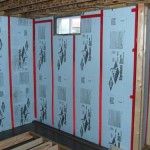





Radiant heat when installed correctly by a tradesmen gives a different more homely feel to a house.
Great article. I’ve read other blogs that say radiant heat under hardwood isn’t effective or efficient. We have unheated basement space under the first floor like you. Have you noticed any problems or extra cost keeping that hardwood warm?
Not at all. We’ve built dozens of homes with radiant under hardwood.
Dana is the former Content Marketing Manager at TouchBistro, sharing tips for and stories of restaurateurs turning their suffering into success. She loves homemade fiery sauce, deep fried pickles and finding absolve to consume real maple syrup.
As Todd suggested, there is a lag time with radiant heat. If you get a sudden swings in temperature like in a desert climate, your home may be uncomfortable for several hours.
Any thoughts on Cove heating? It is a different type of radiant heating installed on the wall near the ceiling. They claim it heats the objects in the room rather than the air. It is quite popular where we live and seems to be more efficient based on our limited experience.